
How Routine Pest Control Helps Prevent Major Infestations
Routine pest control services help prevent major infestations by regularly targeting pests before they become a problem, with local contractors ready to keep your home protected.
Property owners in the area often find that establishing a routine pest control schedule is a practical way to stay ahead of potential infestations. Regular treatments help identify and address pest issues early, preventing them from escalating into major problems that can damage property or create health concerns. By maintaining consistent pest management, homeowners and business owners can reduce the likelihood of surprises and costly repairs, making it a smart, proactive approach to property care.
Local service providers offer routine pest control solutions designed to keep pests at bay before they become overwhelming. These professionals use targeted strategies to monitor and treat common pests, helping property owners maintain a pest-free environment. Exploring routine pest control services can be a valuable step in safeguarding properties, ensuring that pests do not gain a foothold and cause significant issues down the line. Keep reading to learn more about how regular pest control can help prevent major infestations and protect your property.
- Rodent prevention - local contractors implement routine pest control to identify and address early signs of rodent activity before infestations become severe.
- Ant control - service providers regularly treat entry points and nesting sites to reduce ant populations and prevent large colonies from forming.
- Termite monitoring - local pros conduct ongoing inspections to detect early termite activity, helping to avoid costly structural damage.
- Spider management - routine treatments help keep spider populations under control, reducing the risk of major infestations in homes and businesses.
- General pest prevention - service providers establish preventative measures that disrupt pest life cycles, helping to prevent larger infestations over time.
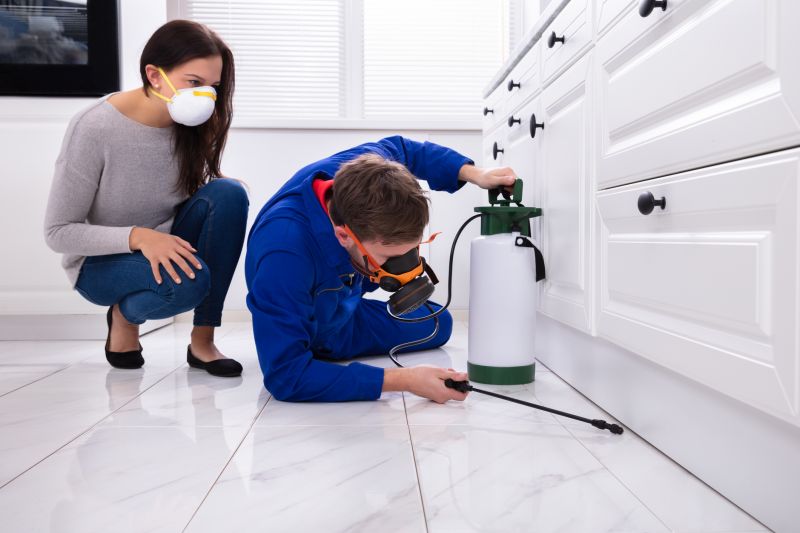
When people search for how routine pest control helps prevent major infestations, they are usually looking to understand the benefits of regular maintenance in managing pests before they become a serious problem. This topic often comes up in discussions about ongoing property care, especially for homeowners who want to avoid the disruption and expense of dealing with large infestations later on. Routine pest control involves scheduled treatments designed to keep pests at bay, rather than waiting until an active infestation appears. Homeowners may also be exploring how consistent pest management fits into their overall property maintenance plans, aiming to protect their homes and families from common pests like ants, spiders, roaches, or rodents.
The problems connected to neglecting routine pest control often include sudden, overwhelming infestations that can damage property, create health risks, or cause significant inconvenience. Major pest problems tend to develop when small populations are left unchecked over time, allowing pests to multiply and spread. This approach is related to proactive planning, where regular treatments help to identify and eliminate pest activity early. It’s also tied to strategies for managing specific pests that tend to invade homes seasonally or in response to environmental conditions. People interested in this topic are often seeking ways to prevent these issues through ongoing prevention measures rather than reactive solutions after pests have become a major concern.
Properties that typically come up in discussions about routine pest control include residential homes, especially those in suburban or rural areas, as well as multi-family buildings like apartments or condominiums. These properties are often more vulnerable to pest problems due to their proximity to outdoor environments and shared spaces. Additionally, vacation homes or seasonal residences are common subjects, since regular pest control can prevent infestations during periods of infrequent occupancy. Commercial properties such as restaurants, office buildings, or retail spaces also benefit from ongoing pest management to maintain hygiene standards and avoid disruptions caused by pests. In all cases, local service providers tailor their treatments to the specific needs of each property type, helping to maintain pest-free environments through routine visits.
Understanding how routine pest control fits into a property’s pest prevention plan highlights the importance of working with local pros who specialize in ongoing pest management. These service providers conduct regular inspections and treatments designed to keep pests from establishing a foothold. By addressing potential entry points, removing attractants, and applying targeted treatments, they help to prevent pests from reaching levels that could lead to major infestations. For homeowners and property managers, this proactive approach reduces the likelihood of costly and disruptive pest emergencies. Connecting with local pros ensures that pest control is integrated into a broader maintenance routine, providing ongoing protection and peace of mind for any property type.
Termite Inspection and Treatment - Professionals perform detailed inspections and targeted treatments to identify and eliminate termite activity, helping to prevent infestations that could lead to major property damage.
Rodent Control Projects - Local contractors implement trapping, baiting, and exclusion techniques to manage rodent populations, reducing the risk of them establishing large nests and spreading diseases.
Mosquito Control Services - Service providers apply treatments around properties to reduce mosquito breeding sites, which helps prevent the spread of mosquito-borne illnesses and large swarms.
Ant Control Solutions - Experts use specialized baits and barriers to control ant colonies early, preventing them from growing into extensive infestations that can be difficult to manage later.
Spider Control and Prevention - Local pest control specialists identify and treat spider habitats, decreasing the likelihood of major infestations that can pose safety concerns indoors.
Wildlife Removal Projects - Service providers safely remove and exclude wildlife such as raccoons or squirrels, preventing them from nesting and causing damage to structures or creating entry points for pests.
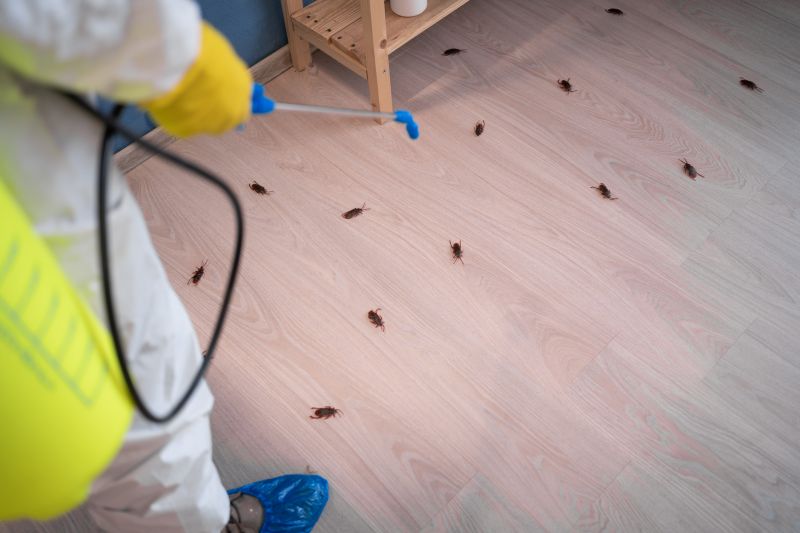
When evaluating local contractors for routine pest control services, it’s important to consider their experience with similar projects. A contractor who has a proven track record in preventing major infestations through regular treatments is likely to understand the specific challenges faced in the area and tailor their approach accordingly. Asking about their experience with properties similar in size, type, or pest issues can provide insight into their familiarity with effective prevention strategies, ensuring that the chosen service provider has the practical knowledge needed to keep pests at bay.
Clear written expectations are a key factor when comparing service providers. A reputable contractor will be able to outline what routine pest control involves, including the frequency of treatments, what areas will be targeted, and what homeowners can expect in terms of results. Having this information in writing helps set realistic expectations and provides a reference point for ongoing communication. It also allows homeowners to compare different providers based on the transparency and detail of their service plans, making it easier to select a contractor that aligns with their needs.
Reputable references and good communication are essential qualities to look for in local service providers. Feedback from previous clients can offer valuable insights into the contractor’s reliability, professionalism, and effectiveness in preventing infestations. Additionally, a contractor who communicates openly and clearly about their process and responds promptly to questions demonstrates a commitment to customer service. This level of communication helps ensure that homeowners feel informed and confident in the routine pest control services being provided, which is crucial for maintaining ongoing pest prevention efforts.
Property owners often search for how routine pest control helps prevent major infestations when they are planning practical projects around their homes and businesses. Local pros provide Routine Pest Control services for everyday jobs and straightforward project options.
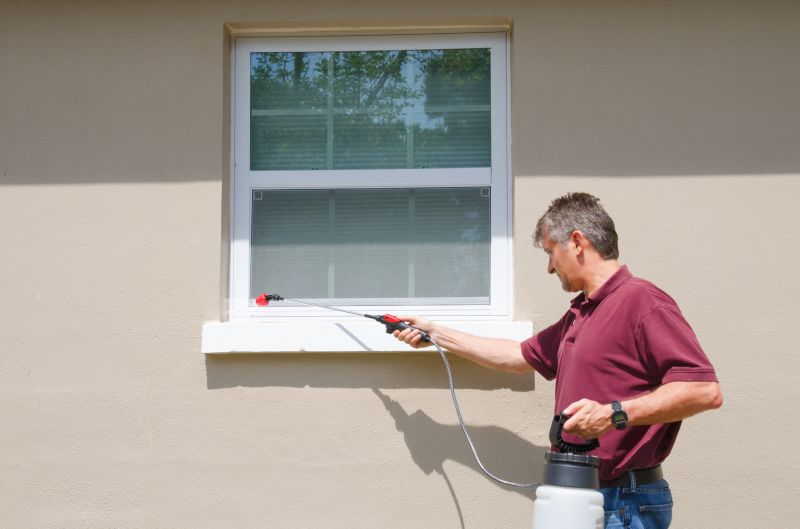
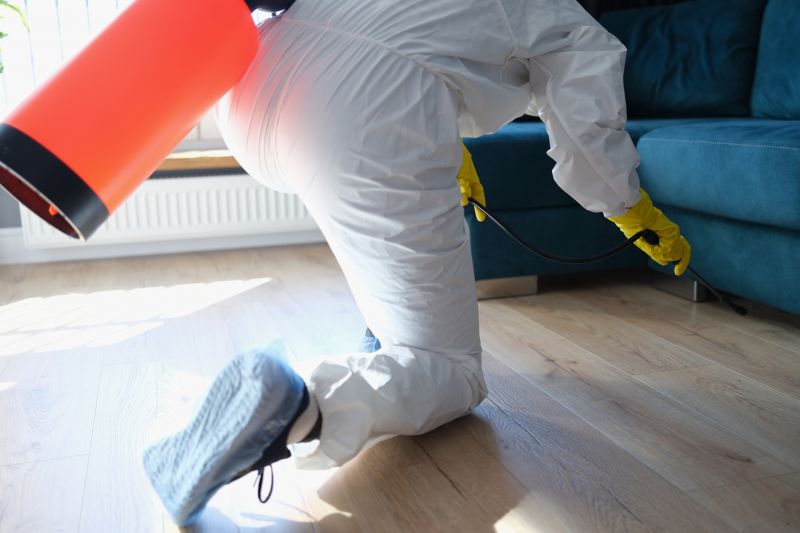
Routine pest control services play a crucial role in maintaining a pest-free property by addressing potential issues before they escalate into major infestations. Regular treatments help eliminate existing pests and create a protective barrier that discourages new ones from entering the premises. Property owners often seek out local contractors to establish a consistent pest management plan, knowing that early intervention can save time, money, and stress down the line. By investing in routine pest control, homeowners and business owners can better safeguard their spaces from common pests such as ants, spiders, and rodents, which tend to become more difficult and costly to manage once an infestation takes hold.
Many property owners in the area look into routine pest control services because they understand that prevention is more effective than reactive measures. Regular visits from local service providers help identify and address pest activity at its earliest stages, reducing the likelihood of a full-blown infestation. This proactive approach not only helps maintain a clean and comfortable environment but also minimizes the risk of pests causing damage or spreading germs. Connecting with local contractors for routine pest control is a practical step for those wanting to keep their properties secure and pest-free through ongoing, professional prevention efforts.
How does routine pest control help prevent major infestations? Routine pest control services can identify and address pest issues early, reducing the chances of a small problem turning into a major infestation by targeting pests before they spread extensively.
Why is regular pest control important for infestation prevention? Regular treatments help maintain a barrier against pests, disrupting their breeding and nesting habits, which lowers the risk of large-scale infestations over time.
Can routine pest control services detect pest activity before it becomes a problem? Yes, experienced local service providers monitor for signs of pest activity during routine visits, allowing for early intervention and prevention of larger infestations.
What role do local contractors play in preventing infestations through routine pest control? Local contractors implement ongoing pest management strategies, applying treatments and inspections that help keep pest populations under control and prevent them from escalating.
How does consistent pest control contribute to long-term infestation prevention? Consistent pest control creates a proactive approach, maintaining a pest-free environment and reducing the likelihood of pests establishing major colonies over time.
Regular inspections - routine pest control services include periodic inspections that can identify early signs of pest activity before an infestation develops.
Preventative treatments - applying preventative pest control treatments around a property helps create a barrier that deters pests from entering or establishing nests.
Monitoring and adjustments - local contractors can monitor pest activity levels and adjust treatments as needed to maintain ongoing protection against major infestations.
Education and advice - service providers often offer tips on reducing attractants and maintaining a pest-resistant environment to support ongoing prevention efforts.
If you are thinking about how routine pest control helps prevent major infestations for a property, this guide is meant to help you understand this topic, the typical project types, and how different options might fit your plans.
When you are ready, you can use the quote form on this page to share a few details about your project. From there, local pros can review the basics and follow up with options that match what you have in mind.